

The Secret Behind 5-Star Reviews
he Secret Behind 5-Star Reviews
Hosting isn’t about having the fanciest property it’s about creating a 5-star feeling.
Guests remember:
✨ Clean spaces
✨ Easy check-ins
✨ Fast replies
✨ Comfortable beds
✨ Thoughtful details
Small experiences create lasting impressions.
At Host & Co, we focus on every detail that improves guest satisfaction and increases reviews.
Because better reviews lead to better bookings.
📩 Want more 5-star stays? Message us today.
#FiveStarHosting #AirbnbHost #ShortTermRental #HostingTips #VacationRental
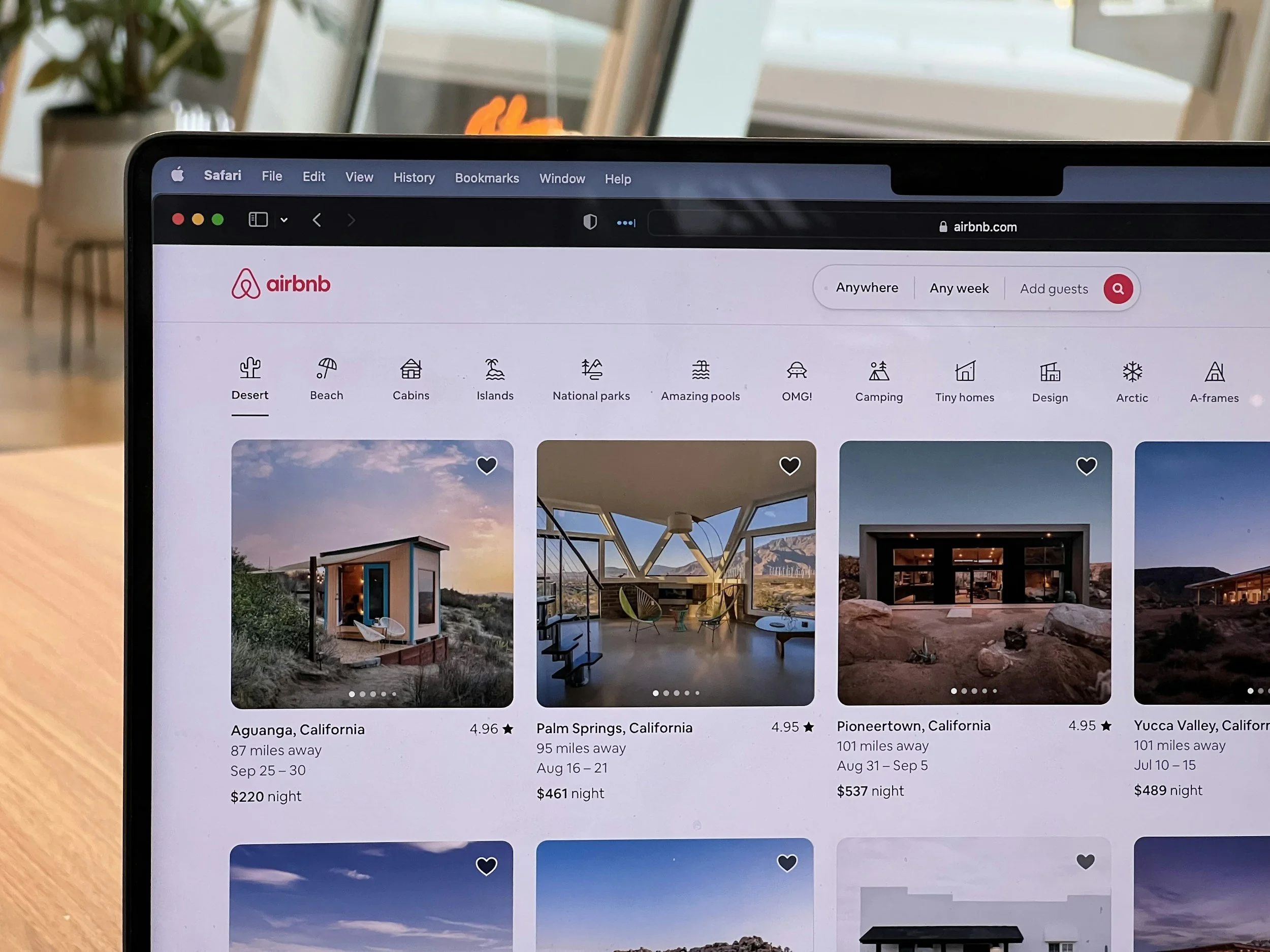
Why Listing Photos Matter More Than You Think
Your guests check the photos before they check in.
High-quality listing photos:
✔️ Increase clicks
✔️ Improve bookings
✔️ Build trust
✔️ Help justify higher nightly rates
Dark or cluttered photos can instantly turn guests away.
Professional visuals create a scroll-stopping first impression that converts views into reservations.
At Host & Co, we help owners present their properties in the best possible way.
📩 Ready to improve your listing performance? Contact us today.
#AirbnbPhotos #HostingTips #ShortTermRental #AirbnbHost #PropertyManagement

Remote Workers Are Changing Travel
The rise of remote work has changed the short-term rental market.
Today’s guests are booking:
💻 Longer stays
💻 Work-friendly spaces
💻 Reliable Wi-Fi
💻 Comfortable desks
Owners who adapt to this trend are seeing stronger occupancy and more consistent bookings.
At Host & Co, we help properties attract modern travelers and remote professionals.
📩 Want to optimize your space for long stays? Message us today.
#RemoteWork #DigitalNomad #AirbnbHost #ShortTermRental #HostingTips

Hosting Isn’t Passive Without the Right Team
Many owners enter short-term rentals expecting passive income. The reality? Hosting takes time.
From guest communication to cleaning coordination and pricing updates, successful hosting requires constant attention.
That’s why many owners are switching to professional hosting services.
At Host & Co, we handle:
✔️ Guest communication
✔️ Check-ins
✔️ Cleaning coordination
✔️ Pricing optimization
✔️ Listing management
You enjoy the profit we handle the stress.
📩 Message us for hands-off hosting.
#AirbnbManagement #PassiveIncome #HostLife #PropertyManagement #ShortTermRental

Small Upgrades Create Big Demand
You don’t need a luxury penthouse to create a successful Airbnb.
Sometimes the smallest upgrades make the biggest impact:
✨ Better lighting
✨ Fresh linens
✨ A coffee station
✨ Strong Wi-Fi
✨ Comfortable workspaces
Today’s guests care about comfort, convenience, and experience.
Remote workers are also booking longer stays, making dedicated workspaces one of the smartest upgrades owners can make.
At Host & Co, we help owners turn ordinary spaces into high-performing rentals.
📩 Message us to maximize your property’s potential.
#HostingTips #AirbnbHost #ShortTermRental #PropertyManagement #RemoteWork #PassiveIncome
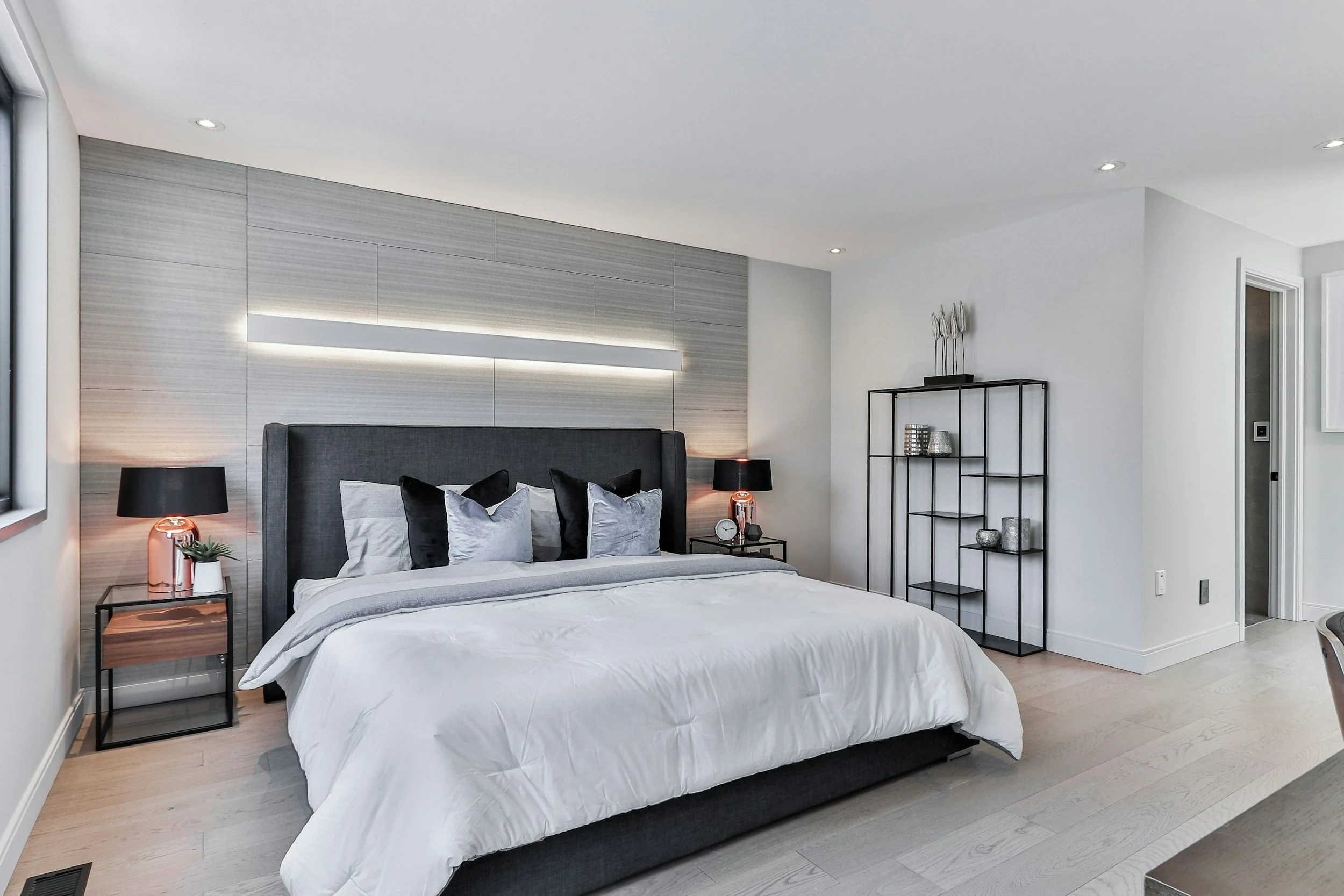
Why Your Airbnb Listing Isn’t Getting Bookings
If your Airbnb listing isn’t getting the bookings you expected, the problem may not be your property — it may be your presentation.
Guests make decisions quickly. Low-quality photos, weak descriptions, slow communication, and outdated pricing can all reduce visibility and bookings.
Successful listings focus on:
✔️ Bright professional photos
✔️ Clear descriptions
✔️ Fast guest responses
✔️ Competitive pricing
✔️ A seamless guest experience
At Host & Co, we help owners optimize every part of their listing to increase occupancy and maximize income.
📩 Want better bookings without the stress? Message Host & Co today.
#AirbnbHost #ShortTermRental #HostingTips #PropertyManagement #VacationRental #AirbnbManagement

From 1 to 10 Properties: The Short Term Rental Scaling Blueprint
Owning one short-term rental is operational.
Owning ten is structural.
On platforms like Airbnb, scaling without systems multiplies stress.
Scaling with infrastructure multiplies yield.
Here’s how serious investors expand without chaos.
Phase 1: Stabilize Property One
Before acquiring property two, confirm:
• Stable 12-month revenue trend
• Consistent 5-star review velocity
• Optimized ADR
• Controlled operating expenses
• Automated guest communication
If property one is inconsistent, expansion magnifies inefficiency.
Stability precedes scale.
Phase 2: Standardize the Model
Scaling requires repeatability.
Define:
• Target property type (1-bed urban? 3-bed suburban?)
• Furnishing blueprint
• Amenity checklist
• Design tier
• Pricing band
Standardization reduces decision fatigue and operational variability.
Replication beats improvisation.
Phase 3: Implement Revenue Systems
Manual pricing collapses at scale.
Before acquiring multiple units, implement:
• Dynamic pricing tools
• Competitive benchmarking cadence
• Occupancy pacing reviews
• Minimum stay strategy
Small pricing errors across 10 properties compound dramatically.
Precision scales profit.
Phase 4: Build Operational Infrastructure
At 5+ properties, ad hoc coordination fails.
You need:
• Dedicated cleaning teams
• Maintenance workflow tracking
• Inventory systems
• Communication automation
• Reporting dashboards
Operations must become procedural.
Phase 5: Manage Risk at Portfolio Level
Scaling increases exposure.
Monitor:
• Damage frequency
• Insurance coverage limits
• Regulatory changes
• Neighborhood supply growth
• Revenue concentration risk
Diversification across micro-markets can reduce volatility.
Portfolio thinking replaces single-listing thinking.
Phase 6: Protect Brand Consistency
At scale, perception matters.
Consistent:
• Interior aesthetic
• Communication tone
• Guest standards
• Review management
Brand clarity increases booking confidence and repeat guest behavior.
A portfolio can function like a boutique hospitality brand.
The Math of Scaling
Assume:
Average gross per optimized property: $60,000
10 properties = $600,000 gross
At scale, operational efficiency improves margins.
But only if systems exist.
Scaling chaos multiplies chaos.
Scaling structure multiplies performance.
The Strategic Question
Do you want:
• Multiple listings?
Or
• A scalable short-term rental portfolio?
Host & Co works with investors building infrastructure — not just adding doors.
Because growth without structure is fragile.
And disciplined expansion compounds.

You’re Not a Host. You’re a Business Owner.
If you own a short-term rental listed on Airbnb, you are not “just hosting.”
You are operating a hospitality business.
The sooner that shift happens mentally, the sooner performance improves.
Hosting Is Reactive. Ownership Is Strategic.
Hosts think about:
• Guest check-ins
• Cleaning schedules
• Individual bookings
• Daily messages
Business owners think about:
• Revenue per available night
• Market positioning
• Cost-to-revenue ratios
• Review velocity
• Competitive benchmarking
The difference isn’t effort.
It’s perspective.
Your Property Has P&L Dynamics
Every short-term rental has:
• Revenue inputs
• Operating expenses
• Margin variability
• Volatility exposure
• Capital appreciation potential
If you’re not evaluating your property like a business unit, you’re operating blindly.
A full calendar does not equal strong performance.
Profitability requires analysis.
Data Should Drive Decisions
Business owners rely on metrics such as:
• ADR (Average Daily Rate)
• Occupancy rate
• RevPAR
• Booking window trends
• Seasonal performance comparisons
Without tracking performance indicators, adjustments become emotional instead of strategic.
Emotion is expensive.
Market Maturity Demands Discipline
Early growth cycles allowed casual participation.
Mature markets reward:
• Structured pricing
• Competitive awareness
• Operational consistency
• Review management
• Risk mitigation
Short-term rental is no longer novelty-driven.
It’s performance-driven.
Time Is Capital
Every hour spent:
• Coordinating cleaners
• Handling late-night issues
• Manually adjusting pricing
• Resolving avoidable guest friction
Is time diverted from higher-value decisions.
Business owners delegate operations.
They retain oversight.
The Strategic Shift
When you view your property as a business:
You stop asking:
“Is it booked?”
You start asking:
“Is it optimized?”
That shift alone changes:
• Revenue trajectory
• Stress levels
• Long-term viability
The Role of Professional Infrastructure
Businesses rely on systems.
Short-term rental is no different.
Professional management should provide:
• Revenue engineering
• Operational workflows
• Asset protection
• Transparent reporting
Ownership without operational burden.
Final Thought
You are not a host.
You are a capital allocator with a hospitality asset.
And assets perform best when managed structurally — not casually.
At Host & Co, we partner with owners who understand that distinction.
Because in competitive markets, mindset determines outcome.

“I Thought Airbnb Would Be Passive Income.”
It’s the sentence we hear most often.
“I thought this would be passive.”
When many owners first listed on Airbnb, it looked simple:
Upload photos.
Set a price.
Hire a cleaner.
Collect bookings.
For a while, that worked.
But markets matured.
And what once felt passive began to feel operational.
The Hidden Work No One Talks About
Behind every booking is:
• Pricing adjustments
• Guest communication
• Review management
• Cleaning coordination
• Supply restocking
• Maintenance follow-up
• Calendar optimization
And it never stops.
Guests book at midnight.
Questions arrive during dinner.
Issues happen during travel.
Passive income quietly becomes active responsibility.
The Stress Compounds
At first, owners manage everything themselves.
Then they realize:
• Pricing is inconsistent
• Reviews fluctuate
• Revenue feels unpredictable
• Time commitment grows
What was intended as leverage becomes obligation.
Burnout follows.
The Performance Gap
Most overwhelmed owners aren’t failing.
They’re under-optimized.
Common issues include:
• Static pricing
• Slow response times
• Poor minimum stay strategy
• Weak photography
• Inconsistent guest messaging
Small inefficiencies compound into meaningful revenue loss.
Stress increases while yield stagnates.
The Shift From Host to Owner
There’s a critical distinction:
Hosting is operational.
Ownership is strategic.
Owners should focus on:
• Capital allocation
• Performance oversight
• Long-term planning
Operators should focus on:
• Daily execution
• Revenue optimization
• Guest systems
• Risk mitigation
When those roles blur, performance suffers.
The Reality of Mature Markets
Short-term rental still works.
But it works best when structured.
Professional infrastructure turns:
• Reactive messaging into automation
• Pricing guesswork into revenue engineering
• Cleaning chaos into systems
• Volatility into predictable yield
Passive income isn’t automatic.
It’s engineered.
The Question
Are you:
• Managing tasks?
Or
• Managing performance?
At Host & Co, we exist for owners who want the asset — without the operational burden.
Because passive income isn’t about doing less.
It’s about structuring better.

Short Term Rental as an Asset Class: A Structural Analysis
Short-term rental is often discussed emotionally.
It should be analyzed structurally.
On platforms like Airbnb, performance variability has led to polarized opinions:
Some call it unstable.
Others call it highly profitable.
Both perspectives miss the core truth:
Short-term rental is neither inherently risky nor inherently lucrative.
It is structurally sensitive.
1. Revenue Elasticity
Unlike traditional leases, short-term rental pricing is market-responsive.
Rates adjust based on:
• Demand compression
• Local events
• Competitor occupancy
• Seasonality
• Economic shifts
This elasticity creates upside potential.
It also introduces volatility.
The variable is not the asset.
It is the operator’s response to market data.
2. Yield vs. Stability Trade-Off
Long-term rental offers:
• Predictable monthly cash flow
• Lower operational involvement
• Lower volatility
Short-term rental offers:
• Higher gross revenue potential
• Dynamic pricing flexibility
• Greater inflation responsiveness
The trade-off is operational intensity.
When operations are structured, volatility reduces.
When operations are casual, volatility increases.
3. Margin Compression in Maturing Markets
As supply increases, average listings experience:
• ADR pressure
• Occupancy fluctuation
• Increased discounting
However, optimized listings often:
• Maintain stronger ADR
• Sustain review velocity
• Capture algorithmic visibility
The result is revenue polarization.
Top-tier operators outperform the market average significantly.
4. Regulation as Structural Stabilizer
Regulation is often framed as a threat.
In mature markets, it can function as:
• A supply filter
• A compliance barrier to entry
• A professionalization catalyst
When casual hosts exit, structured operators gain share.
Asset value becomes more defensible.
5. Operational Leverage
Short-term rental profitability scales when:
• Communication is automated
• Pricing is systemized
• Cleaning workflows are standardized
• Reporting is centralized
Without operational leverage, scaling multiplies stress.
With leverage, scaling multiplies yield.
6. Capital Allocation Perspective
From a capital standpoint, short-term rental should be evaluated against:
• Net yield after expenses
• Risk-adjusted return
• Regulatory exposure
• Liquidity flexibility
• Alternative investment benchmarks
Emotional attachment to property distorts analysis.
Performance should drive decision-making.
Conclusion: Structure Determines Outcome
Short-term rental is not a trend.
It is an evolving hospitality segment.
Its long-term viability depends on:
• Data fluency
• Systemized operations
• Competitive positioning
• Risk mitigation
At Host & Co, we treat short-term rental not as a listing model — but as an engineered asset class.
Because in mature markets, outcome is rarely accidental.
It is structural.

Why We Built Host & Co
Short-term rental didn’t fail.
It outgrew improvisation.
When platforms like Airbnb first expanded globally, opportunity was abundant and competition was limited.
Listing a property was often enough.
But markets matured.
Supply increased.
Regulation tightened.
Guest expectations rose.
Revenue gaps widened.
And we saw something clearly:
The industry lacked structured asset operators.
The Problem We Noticed
Too many properties were:
• Underpriced
• Poorly positioned
• Reactively managed
• Operationally inconsistent
• Emotionally driven
Owners believed they were managing income.
In reality, they were tolerating inefficiency.
The gap between potential revenue and actual revenue was often substantial.
The Shift From Hosting to Operating
We didn’t build Host & Co to:
• Coordinate cleaners
• Answer messages
• “Help with bookings”
We built it to engineer performance.
Because short-term rental is not a listing.
It is a performance environment influenced by:
• Pricing precision
• Competitive positioning
• Guest experience design
• Review momentum
• Operational consistency
Without systems, performance fluctuates.
With systems, it compounds.
The Philosophy
We believe:
Ownership and operations are separate disciplines.
Owners should focus on capital allocation.
Operators should focus on yield optimization.
When those roles blur, stress increases and revenue suffers.
Structure creates clarity.
Why Structure Wins
As markets consolidate:
• Casual hosts exit
• Disciplined operators gain share
• Revenue concentrates
• Compliance becomes standard
The gold rush era rewarded enthusiasm.
The professional era rewards infrastructure.
Host & Co was built for the professional era.
What We Stand For
We stand for:
• Data-driven pricing
• Asset protection
• Operational precision
• Transparent reporting
• Long-term strategy
We don’t chase bookings.
We build performance systems.
The Long-Term Vision
Short-term rental is not disappearing.
It is stabilizing into a competitive asset class.
And in competitive asset classes:
• Margins favor discipline
• Systems outperform guesswork
• Structure compounds
Host & Co exists for owners who understand that.
Because in mature markets, the advantage isn’t excitement.
It’s execution.

Why Many Short-Term Rental Owners Will Exit by 2028
The short-term rental market isn’t collapsing.
It’s consolidating.
On platforms like Airbnb, we’re entering a phase where discipline replaces novelty.
Over the next several years, many current owners will leave the market.
Not because opportunity disappears.
But because the structure required to compete increases.
Here’s why.
1. Rising Operational Complexity
Early-stage hosting was simple.
Now it requires:
• Dynamic pricing fluency
• Competitive benchmarking
• Guest screening systems
• Review management strategy
• Compliance tracking
Owners who entered during low-competition cycles often underestimate this shift.
Complexity discourages casual participation.
2. Regulation as a Filter
More municipalities are introducing:
• Licensing requirements
• Enforcement tracking
• Registration caps
• Insurance mandates
For owners unwilling to formalize operations, regulation becomes a barrier.
For structured operators, it becomes competitive protection.
The market doesn’t shrink.
It professionalizes.
3. Revenue Compression for Average Listings
As supply increases in desirable zones:
• Average listings experience ADR pressure
• Occupancy volatility increases
• Discounting becomes common
Owners who rely on peak-season optimism struggle in normalized cycles.
Without structured pricing, margins thin.
4. Burnout
Self-managing owners often face:
• Constant guest communication
• Cleaning coordination stress
• Late-night issue resolution
• Maintenance unpredictability
Short-term rental was marketed as passive.
In reality, it’s operational — unless systemized.
Burnout drives exit.
5. Capital Reallocation
Some owners will exit simply because:
• Appreciation has matured
• Regulation risk increases
• Alternative investments become attractive
• Opportunity cost rises
Strategic investors rotate capital when asset performance plateaus.
Holding without analysis is not strategy.
The Owners Who Will Stay
The next phase of short-term rental will belong to those who:
• Track performance metrics
• Adjust pricing weekly
• Standardize operations
• Treat property as a performance asset
• Build infrastructure for scale
It won’t be about enthusiasm.
It will be about execution.
The Strategic Question
Are you prepared for a more disciplined market?
Or relying on momentum from earlier cycles?
Host & Co operates in the structured era of short-term rental — where systems, not optimism, drive yield.
Because consolidation isn’t a threat.
It’s an opportunity for those prepared.

The Next 5 Years of Short-Term Rentals: What Smart Owners Are Doing Now
Short-term rental is not disappearing.
It’s evolving.
On platforms like Airbnb, the next five years will not reward casual participation.
They will reward infrastructure.
Here’s what’s coming — and what serious owners are already preparing for.
1. Revenue Polarization Will Intensify
The middle tier will shrink.
You’ll see:
• Top-tier listings earning significantly more
• Optimized properties dominating search visibility
• Average listings fighting for leftover demand
Small performance gaps will widen into major revenue differences.
Smart owners are tightening operations now — not later.
2. Regulation Will Become More Structured
More cities will implement:
• Registration requirements
• Night caps
• Enforcement systems
• Tax compliance measures
This will:
• Push out unprepared hosts
• Reduce casual supply
• Increase opportunity for compliant operators
Those who build compliance into operations early will gain stability.
3. Dynamic Pricing Will Be Non-Negotiable
Static pricing will become obsolete.
Revenue optimization will require:
• Competitor occupancy monitoring
• Real-time event tracking
• Booking window analysis
• Minimum stay modulation
Owners relying on seasonal price charts will underperform.
Precision will be expected.
4. Guest Expectations Will Match Boutique Hotels
The gap between hotel and short-term rental experience will narrow.
Guests will expect:
• Seamless digital check-in
• Immediate communication
• High-end bedding
• Spotless presentation
• Clear instructions
Experience quality will directly influence ranking algorithms.
Operations will matter more than aesthetics alone.
5. Portfolio Thinking Will Replace Single-Listing Thinking
More owners will shift from:
“I have an Airbnb.”
To:
“I manage a short-term rental portfolio.”
This mindset shift includes:
• Standardized furnishing models
• Brand identity across properties
• Structured reporting
• Long-term yield analysis
Short-term rental will be treated like a real asset class.
6. Technology Will Separate Professionals From Amateurs
Automation, analytics, and performance dashboards will become standard tools.
Operators without:
• Pricing automation
• Workflow systems
• Data benchmarking
Will struggle to compete.
Efficiency compounds.
The Strategic Position
The next five years will not eliminate opportunity.
They will eliminate inefficiency.
Casual hosting will fade.
Structured asset management will expand.
At Host & Co, we are building systems for the market that’s coming — not the one that existed during peak growth cycles.
Because in maturing markets, structure outperforms optimism.

A Day in the Life of a Professional Short-Term Rental Operator
From the outside, short-term rental looks simple.
A few bookings.
A cleaner.
Some guest messages.
But what actually happens behind a high-performing listing on Airbnb?
Here’s what a real operational day looks like.
7:00 AM — Occupancy & Pricing Review
Before anything else:
• Check occupancy pacing vs. last year
• Review next 30, 60, 90 days
• Compare ADR against comp set
• Identify compression nights
If three competitors are nearly sold out for a specific weekend and you’re priced similarly — rates likely need adjustment.
Revenue decisions happen before guest messages.
9:00 AM — Guest Communication & Experience Control
Every guest message influences review trajectory.
We monitor:
• Response time
• Tone consistency
• Instruction clarity
• Potential friction points
Small misunderstandings today become public reviews tomorrow.
Experience management is preventive, not reactive.
11:00 AM — Turnover Coordination
Cleanliness drives ranking.
We verify:
• Turnover schedules
• Photo confirmation (if required)
• Supply restocking
• Maintenance flags
A missed detail — like low batteries in a lock — can cascade into poor reviews.
Operational precision protects revenue.
1:00 PM — Market Scan
Markets shift quickly.
We assess:
• New nearby listings
• Competitor pricing adjustments
• Sudden ADR drops
• Calendar gaps
If five new listings appear within 1 km, positioning may need refinement.
Competitive awareness is continuous.
3:00 PM — Performance Analysis
Midday is often used for deeper metrics:
• RevPAR trend
• Booking window movement
• Cancellation patterns
• Guest segmentation
Patterns reveal opportunity.
If booking windows shorten, pricing flexibility must increase.
5:00 PM — Risk Monitoring
Before the day ends:
• Confirm upcoming guest verifications
• Check high-risk booking indicators
• Review property alerts
• Assess maintenance timelines
Risk mitigation is part of yield protection.
What Most Owners Don’t See
High-performing properties are not passive.
They are:
• Monitored
• Benchmarked
• Adjusted
• Optimized
• Protected
Daily.
The difference between average and elite listings is rarely décor.
It’s operational discipline.
The Strategic Reality
Short-term rental is no longer casual.
As markets mature, performance depends on:
• Data fluency
• Market awareness
• Systemization
• Consistency
At Host & Co, we operate behind the scenes so ownership feels effortless — but performance remains deliberate.
Because predictable results come from structured daily execution.

5 Lies Airbnb Hosts Still Believe (That Cost Them Thousands)
The short-term rental market has matured.
But many owners are still operating on outdated assumptions about platforms like Airbnb.
These myths aren’t harmless.
They quietly reduce revenue, visibility, and long-term viability.
Let’s dismantle them.
Lie #1: “If It’s Booked, It’s Performing Well”
Occupancy alone means nothing.
If you’re booked at $140/night when competitors are earning $195/night, you’re not winning.
You’re discounting.
Performance is measured by:
• ADR (Average Daily Rate)
• RevPAR (Revenue per Available Night)
• Margin after expenses
A full calendar at inefficient pricing is silent underperformance.
Lie #2: “My Property Is Nice — It Should Do Fine”
Niceness is subjective.
Performance is technical.
Conversion depends on:
• Photo lighting
• Listing structure
• Pricing alignment
• Review consistency
• Response speed
Two equally “nice” homes can generate vastly different revenue based on positioning alone.
Lie #3: “Lower Prices Mean More Profit”
Discounting increases occupancy.
But it can also:
• Attract lower-quality bookings
• Increase wear and tear
• Raise cleaning frequency
• Compress margins
Sometimes fewer, higher-paying bookings produce stronger net income.
Revenue strategy is about optimization — not volume.
Lie #4: “I’ll Adjust Pricing When It Slows Down”
By the time your calendar slows, visibility has already dropped.
Platforms reward:
• Booking momentum
• Conversion rate
• Review velocity
Proactive adjustments outperform reactive ones.
Waiting is expensive.
Lie #5: “Management Fees Are Too Expensive”
Owners often focus on percentage fees.
They rarely calculate revenue leakage.
If a property earning $70,000 annually is underperforming by 12%, that’s $8,400 lost.
Professional optimization often offsets its own cost.
The real question isn’t:
“How much is management?”
It’s:
“How much inefficiency currently exists?”
The Real Shift Happening
Short-term rental is no longer a gold rush.
It’s a performance environment.
Structured operators gain share.
Casual hosts plateau.
Beliefs that worked in early growth cycles no longer hold.
The Strategic Question
Are you operating on assumptions?
Or metrics?
At Host & Co, we replace outdated hosting myths with structured performance systems.
Because in mature markets, belief doesn’t drive revenue.
Precision does.
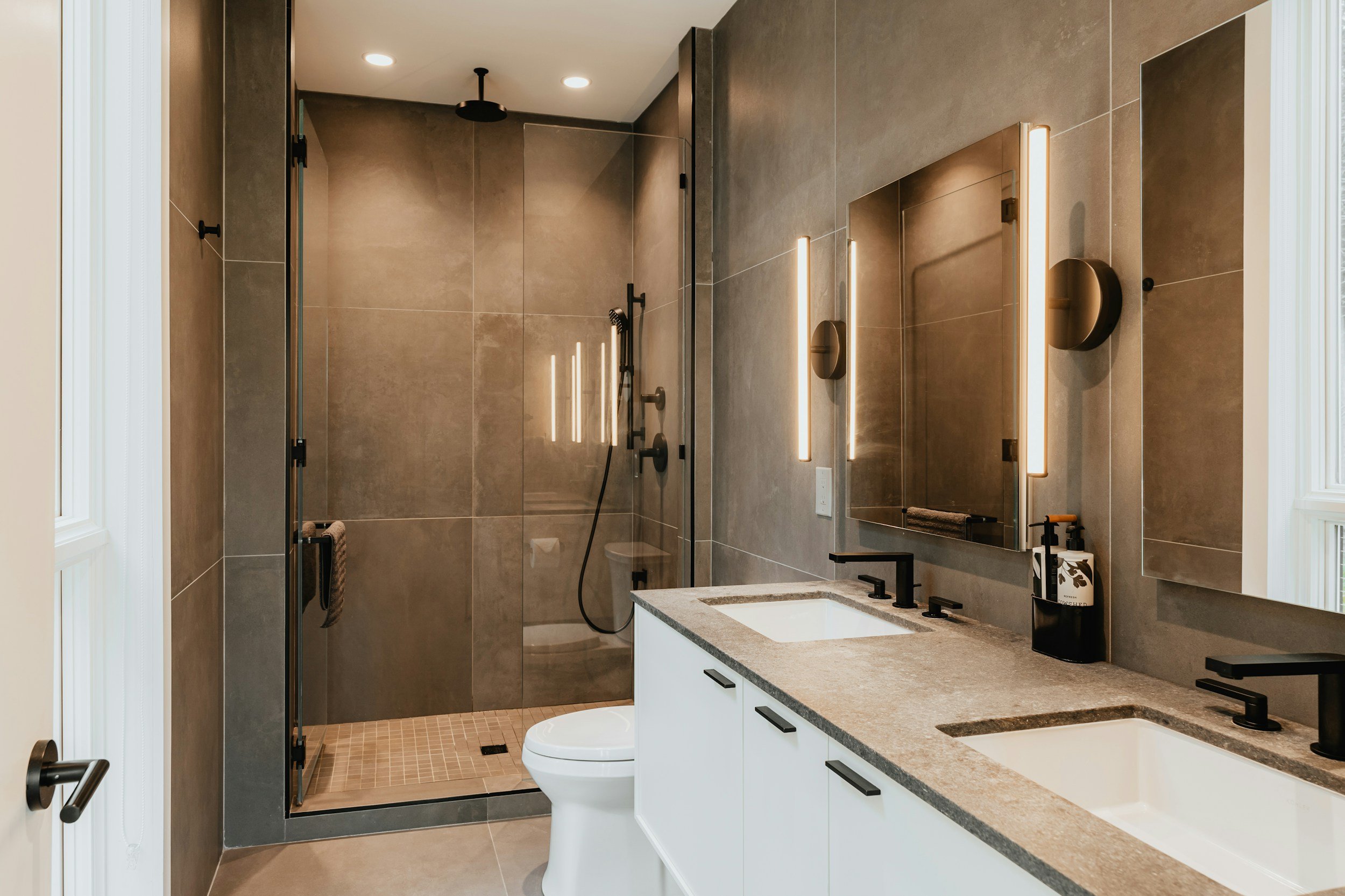
A Tale of Two Airbnb Listings: Why One Earns 40% More
Two properties.
Same neighborhood.
Similar size.
Comparable furnishings.
Both listed on Airbnb.
One generates $78,000 annually.
The other struggles to break $52,000.
What happened?
It wasn’t luck.
It was structure.
Listing A: The Passive Approach
The owner:
• Set pricing based on mortgage costs
• Adjusted rates twice per year
• Used smartphone photography
• Responded to messages when available
• Kept minimum stays fixed year-round
The property wasn’t bad.
It was average.
Average performance in competitive markets drifts downward.
Listing B: The Structured Approach
The second property implemented:
• Weekly dynamic pricing adjustments
• Professional photography
• Seasonal minimum stay shifts
• Guest communication automation
• Competitive ADR benchmarking
• Review follow-up systems
Nothing dramatic.
Just disciplined execution.
Where the 40% Gap Came From
Revenue differences rarely come from one major factor.
They come from compounding micro-advantages:
• +$18 per night during peak events
• +4% occupancy from faster response time
• Fewer orphan nights from optimized stay rules
• Higher conversion from stronger photos
• Better ranking from consistent 5-star reviews
Small advantages stack.
Over 200+ nights, the gap widens.
The Illusion of “Similar Listings”
Many owners assume:
“If my property looks similar, it should perform similarly.”
But performance isn’t based solely on appearance.
It’s influenced by:
• Pricing cadence
• Conversion rate
• Ranking signals
• Guest review momentum
• Operational reliability
Two similar homes can produce radically different results.
The Maturing Market Reality
As short-term rental markets evolve:
• Casual hosts plateau
• Structured operators accelerate
• Revenue polarizes
Platforms reward performance signals — not effort.
The Strategic Question
Are you operating:
• A listing?
Or
• A system?
At Host & Co, we focus on compounding advantages.
Because the difference between average and exceptional performance is rarely dramatic.
It’s disciplined.

The Silent Revenue Killers in Short-Term Rentals (And How to Eliminate Them)
Most underperforming short-term rentals don’t fail dramatically.
They leak.
Small inefficiencies compound quietly on platforms like Airbnb until thousands in annual revenue disappear without obvious warning.
Here are the silent revenue killers most owners never identify.
1. Static Pricing in a Dynamic Market
Demand shifts weekly.
If your pricing:
• Doesn’t adjust for local events
• Ignores competitor occupancy
• Remains unchanged for months
You are either underpricing high-demand nights or overpricing slow ones.
Both reduce total yield.
Even a £12 nightly miscalculation across 220 booked nights equals £2,640 lost annually.
Per property.
2. Weak Photography That Hurts Conversion
Guests scroll quickly.
If your listing photos:
• Lack lighting consistency
• Feel cluttered
• Fail to show layout clearly
• Don’t highlight differentiators
Click-through drops.
Lower click-through reduces conversion.
Lower conversion hurts ranking.
Lower ranking reduces visibility.
Photography directly influences revenue trajectory.
3. Slow Response Times
The algorithm rewards responsiveness.
If guest inquiries sit unanswered:
• Ranking slips
• Conversion decreases
• Booking momentum slows
Fast communication isn’t customer service.
It’s visibility strategy.
4. Poor Minimum Stay Strategy
Many owners set one fixed rule year-round.
But minimum stays should shift based on:
• Season
• Demand compression
• Event weekends
• Calendar gaps
Improper stay rules create:
• Orphan nights
• Missed long-stay opportunities
• Increased cleaning frequency
Stay structure influences profit margins.
5. Inconsistent Guest Experience
Inconsistent:
• Cleanliness
• Communication tone
• Check-in clarity
• Maintenance response
Leads to review plateau.
And once review momentum slows, ranking weakens.
Platforms reward performance stability.
6. Ignoring Competitive Positioning
You are not competing with the city.
You are competing with:
• 10–30 nearby comparable listings.
If those listings:
• Upgrade furnishings
• Improve photography
• Adjust pricing weekly
And you don’t
Revenue share shifts.
Quietly.
7. Emotional Decision-Making
Common examples:
• Refusing to lower prices in slow periods
• Overpricing based on personal attachment
• Ignoring data because “last year was better”
Short-term rental rewards objectivity.
Emotion distorts yield.
The Compounding Effect
None of these issues seem dramatic alone.
But combined, they can reduce annual revenue by 10–20%.
On a $70,000 gross property, that’s £7,000–£14,000 in silent leakage.
Without obvious warning signs.
The Strategic Advantage
Eliminating revenue killers requires:
• Weekly data monitoring
• Structured pricing systems
• Performance benchmarking
• Operational consistency
Casual oversight allows leakage.
Disciplined management compounds performance.
At Host & Co, we don’t just increase bookings.
We eliminate inefficiencies.
Because in competitive markets, protecting margin matters more than chasing volume.

THE 2026 SHORT-TERM RENTAL PROFIT GUIDE
A Strategic Framework for Property Owners
By Host & Co
INTRODUCTION
Short-term rental is no longer experimental.
On platforms like Airbnb and Vrbo, the market has matured.
Opportunity still exists — but it rewards structure, not improvisation.
This guide outlines the five pillars of sustainable short-term rental profitability in 2026 and beyond.
PILLAR 1: BUY CORRECTLY
Profit starts at acquisition.
Before purchasing or converting a property, evaluate:
• Micro-market occupancy rates
• Active listing density within 1–2 km
• ADR benchmarks
• Seasonality volatility
• Regulatory exposure
• Long-term rental fallback viability
If a deal only works at peak occupancy, it’s fragile.
Durable assets survive conservative assumptions.
PILLAR 2: POSITION WITH CLARITY
Generic listings underperform.
Define:
• Target guest profile
• Design tier (mid-market vs. premium)
• Pricing positioning
• Amenity alignment
• Visual consistency
When you design for everyone, you convert no one strongly.
Clarity increases booking confidence.
PILLAR 3: ENGINEER REVENUE
Revenue is not the result of bookings.
It is the result of pricing precision.
Track:
• ADR (Average Daily Rate)
• Occupancy
• RevPAR (Revenue per Available Night)
• Booking window
• Occupancy pacing
Adjust weekly based on:
• Local events
• Competitor movement
• Demand compression
• Seasonal shifts
Static pricing causes silent revenue loss.
PILLAR 4: PROTECT THE ASSET
High revenue without risk control creates instability.
Implement:
• Guest screening protocols
• Occupancy enforcement
• Clear house rules
• Maintenance reserve planning
• Insurance alignment
• Damage documentation systems
Yield must be protected.
PILLAR 5: OPERATE AS A SYSTEM
Short-term rental becomes scalable when structured.
Standardize:
• Communication workflows
• Cleaning protocols
• Review follow-up
• Design standards
• Reporting cadence
Systems create predictability.
Predictability creates sustainable returns.
THE 2026 MARKET REALITY
Expect:
• Increased regulation
• Higher guest expectations
• Greater competition density
• Revenue polarization between optimized and average listings
Casual hosting is fading.
Professional infrastructure wins.
THE STRATEGIC QUESTION
Are you:
• Hosting casually?
Or
• Managing a performance asset?
Short-term rental is viable — but only for disciplined operators.
HOW HOST & CO SUPPORTS PERFORMANCE
We implement:
• Data-driven pricing
• Competitive positioning
• Operational standardization
• Risk mitigation
• Structured reporting
Because in competitive markets, structure compounds.
REQUEST A PROPERTY PERFORMANCE REVIEW
If you want to evaluate:
• Revenue potential
• Competitive gaps
• Optimization opportunities
• Long-term strategy
Schedule a consultation with Host & Co.

SHORT TERM RENTAL MANAGEMENT FOR INVESTORS
Turn Property Into a Performance Asset
Short-term rental is no longer a side hustle.
It is a structured income strategy — when managed correctly.
At Host & Co, we partner with investors who want disciplined revenue optimization on platforms like Airbnb and Vrbo.
We don’t manage listings.
We manage yield.
WHY INVESTORS CHOOSE SHORT-TERM RENTAL
Compared to traditional leasing, short-term rental can offer:
• Higher gross revenue potential
• Flexible owner usage
• Faster rate adjustments
• Better inflation response
• Market-based pricing elasticity
But higher potential requires stronger infrastructure.
That’s where most portfolios fail.
OUR INVESTOR FRAMEWORK
Acquisition Advisory
Before listing, we evaluate:
• Micro-market demand
• Competitive supply density
• ADR benchmarks
• Occupancy seasonality
• Regulatory exposure
Strong performance starts before purchase.
Revenue Engineering
We implement:
• Dynamic pricing strategy
• Occupancy pacing analysis
• Booking window monitoring
• Minimum stay optimization
• Seasonal compression strategy
Revenue leakage is eliminated through data-driven adjustment.
Risk Mitigation
Short-term rental carries operational exposure.
We structure:
• Guest screening systems
• Damage control processes
• Compliance monitoring
• Insurance alignment
• Maintenance reserve oversight
Yield must be protected.
Structured Reporting
Investors receive:
• Monthly gross revenue reports
• ADR and occupancy tracking
• RevPAR analysis
• Expense transparency
• Market benchmarking insights
Performance is measurable — not assumed.
SCALING WITH STRUCTURE
If you plan to grow beyond one property, systems matter.
We help investors:
• Standardize furnishing models
• Replicate proven positioning
• Align pricing tiers
• Maintain brand consistency
• Scale without operational burnout
Scaling chaos multiplies inefficiency.
Scaling systems multiplies returns.
WHO THIS IS FOR
We work with:
• Portfolio builders
• Capital allocators
• Long-term yield investors
• Owners seeking passive income structure
If your goal is casual hosting, we’re not the right fit.
If your goal is performance-driven ownership, we are.
THE STRATEGIC ADVANTAGE
Markets are maturing.
Regulation is increasing.
Competition is tightening.
Guest expectations are rising.
Disciplined operators gain market share in these environments.
Host & Co builds infrastructure for competitive markets not easy ones.
REQUEST A PERFORMANCE REVIEW
Let’s evaluate:
• Revenue projections
• Risk exposure
• Market positioning
• Portfolio scaling potential
Schedule your investor consultation with Host & Co today.

LUXURY SHORT-TERM RENTAL MANAGEMENT
For Owners Who Expect Precision, Discretion, and Performance
Your property is not average.
Your management shouldn’t be either.
At Host & Co, we specialize in high-value short-term rental assets listed on platforms like Airbnb and Vrbo.
We operate with discipline, data, and discretion — because premium properties require premium infrastructure.
ELEVATED ASSETS REQUIRE ELEVATED STANDARDS
Luxury guests expect:
• Immaculate presentation
• Seamless arrival
• Immediate responsiveness
• Absolute cleanliness
• Zero friction
Minor oversights that are tolerated in mid-tier properties are unacceptable at the luxury level.
We build systems designed for zero-friction hospitality.
REVENUE STRATEGY FOR PREMIUM PROPERTIES
Luxury pricing is strategic.
Underpricing damages positioning.
Overpricing weakens conversion.
We engineer:
• Controlled occupancy
• Optimized ADR
• Longer average stays
• Targeted guest positioning
• Dynamic pricing adjustments
The goal is not maximum volume.
It is optimal performance.
ASSET PROTECTION & RISK MITIGATION
Higher-value properties require stronger safeguards.
Our management includes:
• Structured guest screening
• Occupancy enforcement
• Maintenance reserve planning
• Vendor oversight
• Damage mitigation processes
• Compliance alignment
Revenue without protection is fragile.
We protect both income and asset integrity.
DISCRETION & OWNER EXPERIENCE
Luxury owners do not want:
• Midnight guest calls
• Cleaning coordination messages
• Pricing involvement
• Maintenance disruptions
You receive:
• Structured monthly reporting
• Clear revenue analytics
• Operational transparency
• Strategic oversight
You own the asset.
We manage the infrastructure.
DESIGN & POSITIONING
Luxury is not excess.
It is cohesion and clarity.
We advise on:
• Interior positioning
• Lighting strategy
• Photography standards
• Amenity alignment
• Market differentiation
Presentation influences perception.
Perception protects margin.
WHO THIS IS FOR
We partner with:
• High-net-worth property owners
• Second-home investors
• Portfolio builders
• Owners seeking passive performance
If you’re seeking basic booking coordination, we’re not the right fit.
If you want structured asset stewardship, we are.
THE HOST & CO DIFFERENCE
We don’t “manage” luxury homes.
We engineer performance while protecting reputation.
In a maturing short-term rental market, disciplined execution separates premium assets from premium liabilities.
REQUEST A PRIVATE CONSULTATION
Let’s evaluate:
• Revenue potential
• Competitive positioning
• Risk exposure
• Long-term asset strategy
Schedule your consultation with Host & Co today.